Keeping a commercial kitchen clean takes real work. Dining spaces also need regular care to stay fresh and inviting. The right cleaning products make this job much simpler. Without adequate supplies, grease piles up, germs spread fast, and surfaces become unsafe. Picking suitable items helps keep cleanliness on track without stress. Many business owners feel confused by the many choices available. This piece explains how to choose the best cleaning products for kitchens and dining rooms. It also shows why working with a trusted cleaning products supplier in Singapore makes the whole process smoother.
Cleanliness changes how customers feel and how health checks go. The wrong cleaning items can hurt surfaces or leave harmful leftovers. So smart choices protect both the business and its guests. This guide gives clear and helpful tips for anyone who runs a food service place.
Why Commercial Kitchens Need Special Cleaning Products
Home cleaners do not work well in busy kitchens. Commercial kitchens face grease, oil, and food bits every single day. Normal sprays cannot break these down the right way. Professional products target tough dirt without harming equipment. They also kill harmful germs like E. coli and Salmonella. Using special sanitisers stops germs from moving between raw foods and cooked meals.
The key reasons Commercial kitchens need professional cleaners.
- Heavy grease removal – Fryers, grills, and stovetops give off thick oil that normal sprays cannot handle. Degreasers break the grease down fast without hurting equipment.
- Germ killing – Warm and wet spaces let germs, such as Salmonella, grow very quickly. Food-safe sanitisers kill these germs before they reach any meal.
- Surface care – Stainless steel, tile, and rubber floors each need their own type of cleaner. The wrong product can cause marks, colour loss, or slippery floors.
Strong degreasers remove built-up grease from exhaust hoods and fryers. Floor cleaners fix slippery spots caused by spilt oil. Each product has its own job in the cleaning routine. Picking the wrong item wastes both time and money. So knowing what a commercial kitchen needs is the first step to effective cleaning.
Key Things to Look for When Picking Cleaning Supplies
To pick the right supplies, start by checking what each product does. Good cleaners match the surface and the type of dirt. Always read labels and ask for help when unsure.
1. Surface Match
Different kitchen surfaces need different types of care. Stainless steel needs soft cleaners to keep its lovely shine. Wooden cutting boards need food-safe sanitisers that will not bend the wood. Always check product labels for surf tips before buying.
2. Food Safety Rules
Any cleaner used near food prep areas must be safe to use. Seek products clearly labelled as food-contact safe. These items wash away completely and leave no harmful leftovers behind.
3. Mixing with Water
Bulk cleaners often come as strong liquids that need water added. Mixing them the right way saves money and cuts down on waste. A good supplier gives clear mixing steps to follow. Using too much product hurts surfaces over time. Using too little product fails to clean well enough.
4. Speed of Action
Busy kitchens cannot wait long for sanitisers to do their work. Fast-acting products cut down wait time between cleaning and cooking. Many new formulas kill germs in under one minute.
Must-Have Products for Kitchens and Dining Spaces
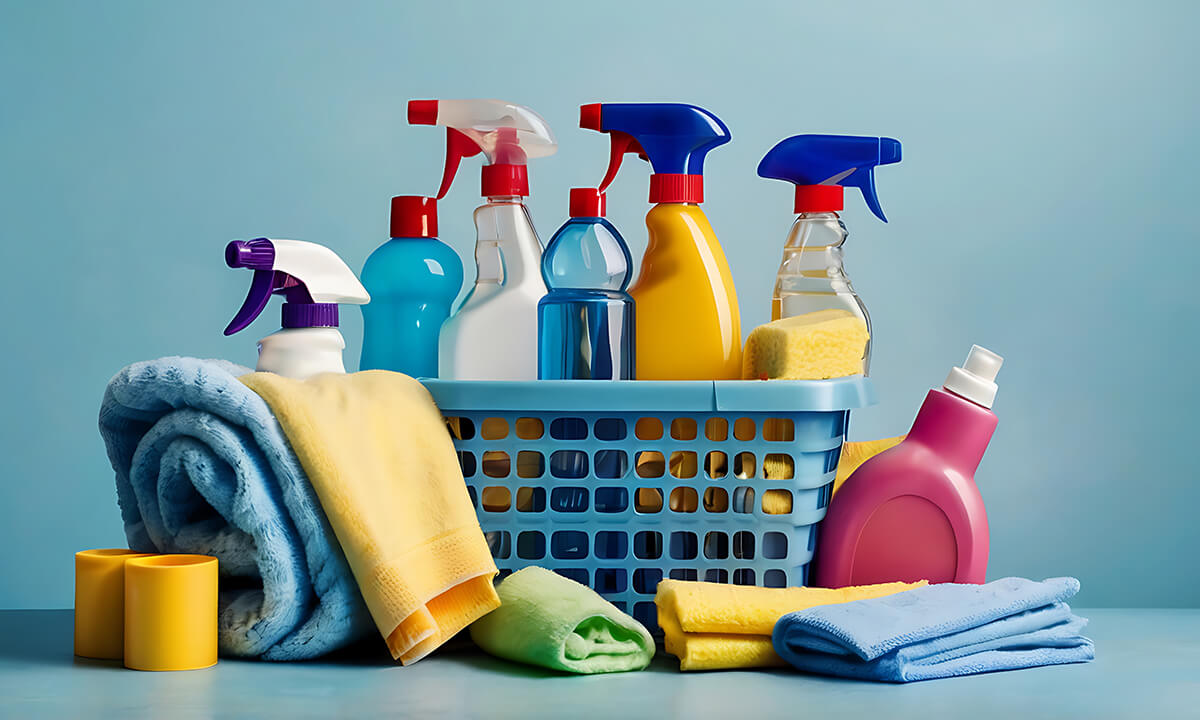
Every commercial kitchen needs a basic set of cleaning items. The list below shows the key ones.
| Product Type | Main Use | Key Feature |
|---|---|---|
| Degreaser | Taking oil off stoves, hoods, and fryers | Cuts through thick grease fast |
| Food-safe sanitiser | Cleaning counters, cutting boards, and tools | Kills germs without rinsing |
| Oven cleaner | Removing burnt food from cooking gear | Works without hard scrubbing |
| Floor cleaner | Washing tile, vinyl, or sealed concrete | Leaves no slippery film |
| Glass polish | Shining stainless steel and windows | No streaks left behind |
Dining rooms also need their own special products. Table sanitisers wipe away dirt between different seatings. A good supplier keeps all these items in one single place.
The Role of a Good Cleaning Products Supplier
Working with the right source keeps kitchens running smoothly. A trusted cleaning products supplier in Singapore gives many helpful benefits.
Three ways a good supplier makes cleaning product management easier:
- Steady stock flow – A good supplier never runs out of popular items. Kitchen managers can place orders again without any worry.
- Bulk buying helps – Buying larger amounts lowers the cost for every single bottle. Suppliers also help figure out the right amounts to avoid too much stock.
- Direct delivery service – Products arrive directly at the business’s door on a set schedule. This saves staff from having to pick up supplies during work hours.
A reliable supplier also helps pick the right products for each specific need. They know all the local health rules very well. They suggest other good options when a favourite brand is not available. Some even offer sample requests before customers place big orders. A trusted supplier values long-term ties over quick sales.
Setting up a regular delivery schedule makes stock management basic. Over time, a good supplier becomes a true partner in keeping everything clean.
Common Mistakes to Avoid When Buying Cleaners
Many people rush when buying cleaning products and make errors. Knowing these common mistakes helps you shop smarter and keep your kitchen safe and clean.
1. Picking Price Over Quality
Buying the cheapest choice often fails to work well. Low-quality products need more rubbing and much larger amounts. Spending a bit more on trusted brands saves money over the long run.
2. Skipping Product Labels and Safety Rules
Not reading labels creates real and serious risks. Mixing some chemicals releases harmful gases into the air. Using a strong cleaner on a marble surface ruins that surface forever. Make label reading a must-do habit for all kitchen staff.
3. Buying Too Many Single-Use Items
Some managers buy far too many special products for one task. One good cleaner can often handle many different jobs. Having fewer different bottles makes training and storage much easier. But never give up safety just for extra ease.
4. Forgetting to Check Expiry Dates
Old sanitisers lose their germ-killing power over time. They can even separate into useless layers inside the bottle. Always check dates before buying any new stock. Move stock around so older bottles get used up first.
5. Mixing Different Chemicals Without Knowledge
Mixing bleach with ammonia creates dangerous and harmful fumes. Never mix two different cleaners unless the label says it is safe to do so. When you feel unsure, just use each product by itself.
Conclusion
Picking the best cleaning products takes some careful thought. Focus on surface safety, food-grade rules and fast action. Build a basic set of trusted items like degreasers and sanitisers. Work with a trusted cleaning-products supplier in Singapore to get steady access to good products. A cleaning products supplier in Singapore makes bulk orders and delivers effortlessly. Avoid common errors like picking price over quality. With the right approach, any food service place can stay clean, safe and welcoming.
Frequently Asked Questions
How can I tell if a cleaner is safe for food contact surfaces?
Look for labels that say ‘food contact surface sanitiser’ from trusted groups. The products wash away completely without creating any unpleasant residues which stay behind.
Can I use the same degreaser on floors and kitchen gear?
The strength of floor degreasers prevents their use on equipment which contains soft surfaces. The maker’s instructions need to be followed completely to prevent any potential damage.
What should I do if a cleaning product hurts someone's skin?
Stop use right away and wash the area with cool water for 15 minutes. The patient needs medical care when their pain becomes unmanageable, while safety sheets should remain accessible at all times.
How often should I change mop heads and cleaning cloths?
Change mop heads every two to three months with daily use. People need to wear new clothes each day or after they finish cleaning raw meat spills, while they should clean their reusable fabrics using hot water.